Teacher Nutritional Facts SVG: An Embroidery Review
As a professional embroidery designer and product reviewer, I approach every new digital asset with a specific question: will this actually stitch out cleanly on fabric? The Teacher Nutritional Facts Svg Cut File is currently trending in the Crafts category, but its popularity as a vinyl decal does not automatically guarantee success as a machine embroidery design. After analyzing the vector structure and visual hierarchy of this file, I have evaluated its potential for real-world application in custom apparel and personalized gifts. This review breaks down how this graphic translates from screen to stitch, specifically for makers running a craft business or managing an Etsy shop.
First Impressions: Visual Hierarchy and Stitch Translation
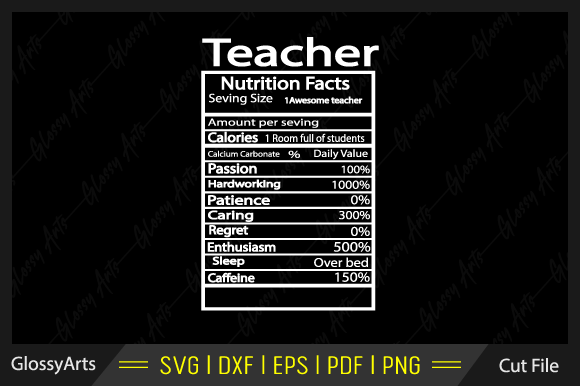
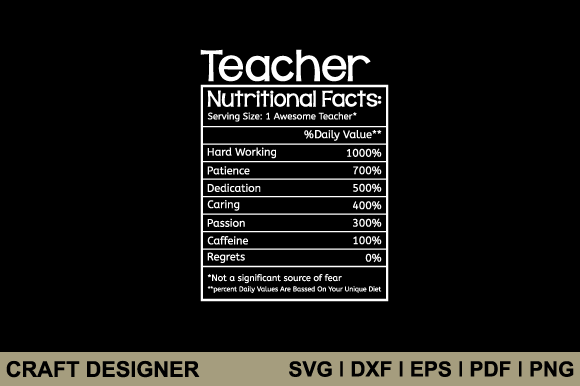
My initial assessment of the Teacher Nutritional Facts Svg Cut File focuses on its layout. The design mimics a standard nutrition label, which relies heavily on clean lines, high-contrast typography, and structured spacing. From a graphics perspective, it is bold and instantly recognizable. However, for an embroidery project, this structure presents both opportunities and challenges. The rectangular border suggests a natural frame for satin stitches, while the internal text requires careful digitizing consideration.
The mood of this design is playful yet organized, making it ideal for teacher appreciation gifts or back-to-school merchandise. As a digital embroidery file, the vector paths appear continuous, which is excellent for minimizing jump stitches. However, because this item is delivered as a zip folder containing SVG, DXF, EPS, PDF, and PNG formats, you must understand that these are source vectors, not pre-digitized stitch files. You will need to import these into your embroidery software to assign stitch types. The clean geometry of the Teacher Nutritional Facts Svg Cut File makes auto-digitizing easier than complex illustrations, but manual adjustment will be necessary to ensure the "ingredients" list remains legible at smaller sizes.
Real-World Application: The Canvas Tote Bag Test
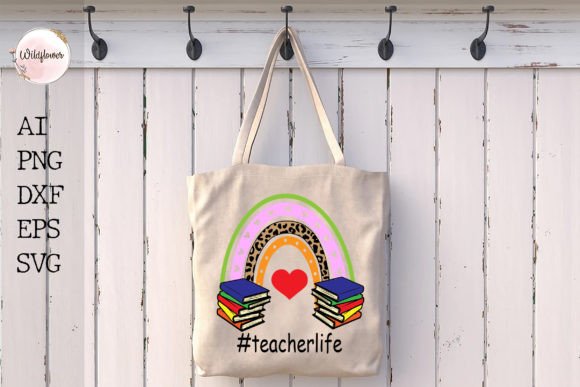
To evaluate practical performance, I mentally mapped this design onto a 12oz canvas tote bag, a staple handmade product for teachers. Canvas provides a stable foundation for the dense fill stitches required by the label’s background. In this scenario, the Teacher Nutritional Facts Svg Cut File serves as a central focal point. The rigid lines of the nutrition label contrast beautifully with the organic texture of the canvas, creating a professional finished product that feels boutique-ready rather than homemade.
For a sweatshirt embroidery application, specifically on cotton fleece, the design performs differently. Fleece has a pile that can swallow thin running stitches. When using this file for apparel, I recommend converting the outer border to a thicker satin stitch or adding an underlay to prevent the design from sinking into the fabric. This adaptation ensures the "Nutritional Facts" remain crisp after washing. For Etsy sellers, this versatility is key; the same source graphic can yield a structured tote bag and a cozy crewneck sweatshirt simply by adjusting stitch parameters during the digitizing phase.
Navigating Fabric Limitations and Hoop Constraints
While the Teacher Nutritional Facts Svg Cut File is versatile, it demands respect for fabric physics. I advise extreme caution when attempting this design on stretchy knits or lightweight jersey without proper stabilization. The density of a filled rectangle creates a heavy patch of thread; on unstable fabric, this causes puckering that ruins the professional aesthetic. Always use a cut-away stabilizer for garments and a tear-away for stable woven fabrics like tea towels or aprons.
Hoop size is another critical factor. This design typically requires a minimum 4x4 hoop, but a 5x7 hoop allows for better lettering clarity. If you attempt to shrink this embroidery file below 3 inches wide, the small text detailing "servings per container" or calorie counts will become illegible blobs of thread. For baby embroidery or small collar placements, consider extracting only the main title elements from the SVG rather than forcing the entire label into a tiny space. Respecting these physical limitations protects your brand reputation and prevents customer returns due to poor stitch quality.
Commercial Viability for Makers and Sellers
For creative entrepreneurs, the value of the Teacher Nutritional Facts Svg Cut File extends beyond personal crafting. Its structured format makes it an excellent candidate for printable mockups and digital product previews. Because the design is text-based and thematic, it photographs well for social media marketing. When listing a custom apparel item featuring this design, ensure your photos show the texture of the stitches. Buyers trust sellers who demonstrate actual production quality over generic digital renders.
However, a crucial note for commercial embroidery users: always verify the licensing terms included in your download. While the zip contains multiple formats suitable for cutting machines and print, specific rights for selling finished embroidered goods vary by designer. Before listing a personalized gift or mass-producing small shop products, confirm that your purchase includes commercial usage rights for machine embroidery. This due diligence safeguards your business against intellectual property disputes.
Designer Notes: Technical Execution and Best Practices
Based on my evaluation of the Teacher Nutritional Facts Svg Cut File, here are actionable technical notes for achieving professional results:
- Test Stitch First: Never run this design directly on a final product without a test sew-out. The interaction between thread tension and the dense rectangular fill can vary wildly between machines.
- Thread Color Contrast: This design relies on readability. Use high-contrast thread colors (e.g., black thread on white fabric). Avoid tone-on-tone schemes unless the stitch density is significantly increased to create texture definition.
- Stitch Density Management: When digitizing from the SVG, reduce the density of the background fill if stitching on lightweight fabrics. A standard 0.4mm spacing may be too tight; try 0.6mm to prevent fabric distortion.
- Typography Check: Inspect all text elements after digitizing. Serif fonts often used in nutrition labels can have tiny serifs that do not stitch well. Modify these to sans-serif or increase their width in your embroidery software.
- Stabilizer Selection: Match your stabilizer to the end-use. Use fusible mesh for t-shirts to reduce bulk, and heavy-duty cut-away for tote bags to support the structural weight of the design.
- File Extraction: Remember that you must extract the zip folder before use. Keep the original PNG file handy as a visual reference while digitizing to ensure color placement and proportions match the intended artwork.
Final Verdict on Design Utility
The Teacher Nutritional Facts Svg Cut File is a robust graphic asset that transitions well into embroidery when handled with technical awareness. It offers strong visual appeal for educational themes and seasonal gifting. Its success as a machine embroidery design depends entirely on the maker's willingness to adapt the vector art for textile realities. By respecting fabric limitations, optimizing stitch density, and verifying commercial rights, crafters can transform this digital file into high-value, tangible products that resonate with teachers and buyers alike. Whether you are creating a single holiday gift or stocking an online store, this design provides a solid foundation for creative expression when executed with professional care.