Teacher Nutrition Facts SVG: An Embroidery Review
As a professional embroidery designer and product reviewer, I approach every digital file with a critical eye toward its physical execution. When evaluating the Teacher Nutrition Facts Svg Cut File for real-world application, my primary concern is not just how it looks on a screen, but how it translates into thread on fabric. This design falls squarely within the Crafts and Graphics categories, serving as a versatile asset for makers. However, because this is a digital download only, understanding its structural integrity before stitching is vital for anyone running a craft business or creating personalized gifts.
First Impressions and Visual Hierarchy
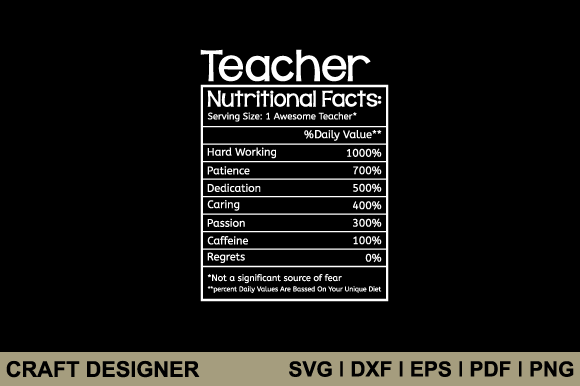
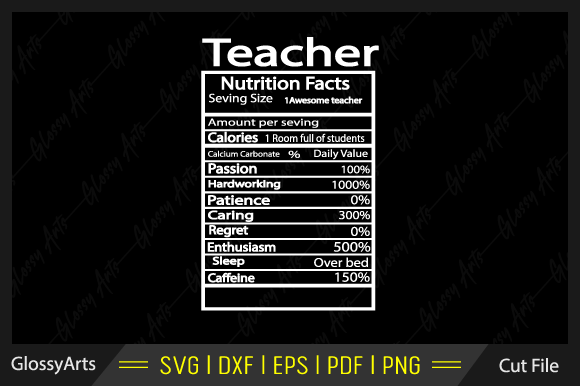
Upon opening the Teacher Nutrition Facts Svg Cut File, the immediate impression is one of clean, structured nostalgia. The layout mimics the iconic nutrition label format, which inherently carries a sense of authority and humor when applied to teacher appreciation themes. From a design perspective, the grid-based structure is excellent for embroidery because it provides natural registration points. Unlike organic, flowing scripts that can sometimes drift during stitching, this geometric framework helps maintain alignment.
The visual personality strikes a balance between professional and playful. It avoids the overly cutesy aesthetic that can sometimes alienate middle school or high school educators, making it a strong candidate for custom apparel across all grade levels. For an Etsy seller or boutique owner, this versatility is valuable. The design assets included in this file type typically offer scalable vectors, meaning you can adjust the size without losing edge definition—a crucial feature when adapting a single machine embroidery design for everything from a pocket logo to a full-back sweatshirt embroidery project.
Real-World Application: The Canvas Tote Test
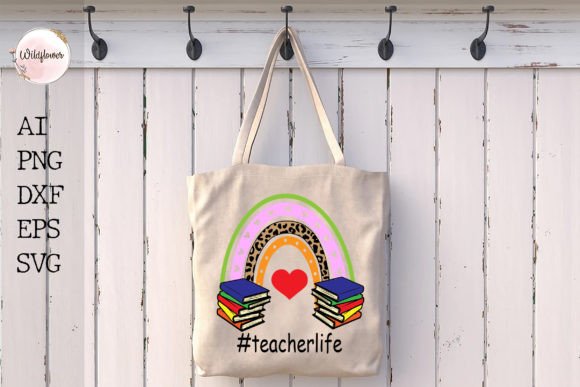
To truly evaluate this design, I mentally mapped it onto a specific project: a heavy-weight canvas tote bag intended as an end-of-year teacher gift. Tote bags are a staple handmade product, but they present unique challenges due to fabric texture and weight. In this scenario, the Teacher Nutrition Facts Svg Cut File performs exceptionally well if digitized correctly. The blocky nature of the "nutrition label" allows for crisp satin stitch borders and legible fill stitch text, even on textured canvas.
I envision this design centered on the bag, approximately 6x8 inches. At this scale, the internal details remain distinct. If you were producing this for commercial embroidery or a small shop product line, the contrast between black thread and natural canvas creates immediate readability. Customers respond well to high-contrast designs because they photograph beautifully for printable mockups and social media listings. Furthermore, the theme resonates emotionally; it acknowledges the "fuel" teachers need, turning a standard tote bag design into a meaningful personalized gift rather than generic merchandise.
Technical Considerations for Stitching Success
While the SVG format is ideal for cutting machines, converting or using it as a base for embroidery requires technical vigilance. Not all graphics translate seamlessly to thread. Here are the practical realities I observed when assessing this design for production:
- Text Legibility: Nutrition labels contain dense information. Ensure your hoop size accommodates the design without shrinking text below 0.25 inches in height. Anything smaller risks becoming illegible after washing.
- Stitch Density Management: The solid blocks typical in this style can become bulletproof if the stitch density is too high. Verify that the digitizer has used appropriate underlay and spacing to prevent fabric puckering, especially on lighter materials.
- Applique Potential: To reduce stitch count and add tactile interest, consider using this as an applique design. The outer border could be a satin stitch holding down a fabric background, while internal elements use running stitch or lighter fill stitch.
- Stabilizer Selection: Because this design likely contains significant coverage, a cut-away stabilizer is non-negotiable for stretchy fabrics like jersey knits used in baby embroidery or t-shirts. Tear-away may distort the grid lines upon removal.
Navigating Fabric Limitations and Hoop Constraints
Every embroidery file has its ideal substrate, and the Teacher Nutrition Facts Svg Cut File is no exception. While it shines on stable, medium-weight fabrics, caution is required elsewhere. On highly textured fabrics like terry cloth towels, the fine lines separating the "nutrition" rows may get lost. In such cases, you might need to simplify the design or increase the spacing between elements.
Curved surfaces present another challenge. If you are attempting cap embroidery or placing this on a curved sleeve, the rigid grid structure can look warped. The human eye expects nutrition labels to be perfectly rectangular; any distortion caused by the curve of a hat will be immediately noticeable. For caps, I would recommend testing on scrap fabric first or opting for a flatter placement area. Similarly, dark fabrics require careful thread color planning. White text on black fabric is classic, but ensure your machine handles the transition cleanly to avoid bobbin thread show-through, which ruins the professional finish of a finished product.
Commercial Viability and Business Value
For creative entrepreneurs and digital product sellers, the value of this design extends beyond a single stitch-out. Its structured layout makes it incredibly easy to create consistent branding across multiple items. You could pair this embroidered patch design with matching vinyl decals on water bottles, creating a cohesive bundle for holiday embroidery sales or back-to-school promotions.
However, a critical reminder: this is a digital download. You must verify the licensing terms included with the Teacher Nutrition Facts Svg Cut File before listing any physical items or digital derivatives for sale. Confirm whether the license covers commercial embroidery, printable mockups, or resale of modified design assets. Protecting your business means respecting intellectual property. Additionally, always test the design in both light and dark fabric backgrounds before committing to bulk production. Customer trust is built on consistency; a design that looks great on screen but fails on polyester performance wear will lead to returns and negative reviews.
Designer’s Checklist Before Production
Before loading this embroidery file into your machine for a client project or inventory build, run through this practical checklist:
- Mockup Verification: Create a black and white mockup to check contrast independent of color. If the design relies solely on color to define shapes, it may fail in monochrome embroidery.
- Scale Testing: Print the design at actual size on paper. Hold it against the intended garment. Does the text read clearly from three feet away? Adjust accordingly.
- Thread Color Contrast: Select thread colors that meet WCAG accessibility standards for contrast. Teachers appreciate inclusivity, and readable design is inclusive design.
- Wash Test: If selling baby clothes or kitchen linens, wash and dry a sample. Nutrition label lines can pull or gap if the stitch type isn't suited for frequent laundering.
- File Format Check: Ensure your machine reads the specific embroidery format derived from this SVG. Do not assume automatic conversion preserves detail.
Ultimately, the Teacher Nutrition Facts Svg Cut File offers a robust foundation for meaningful, marketable embroidery projects. Its success depends entirely on the maker's willingness to respect the technical demands of translating vector graphics into stitched reality. By approaching this design with professional scrutiny and practical testing, you elevate your work from simple crafting to true textile artistry, ensuring every personalized gift or commercial product meets the highest standards of quality and appeal.