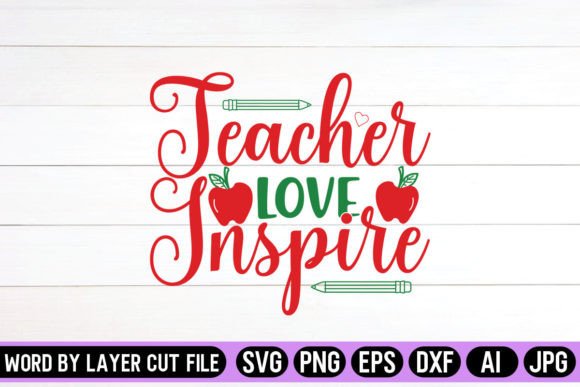
Teacher Love Inspire SVG Design: An Embroidery Review
As a professional embroidery digitizer and product reviewer, I approach every new digital asset with a specific question: will this actually stitch out cleanly on real fabric? When evaluating the Teacher Love Inspire SVG Design, my focus shifts immediately from the screen to the hoop. This design arrives as a digital download only, including AI, SVG, PNG, EPS, and DXF files. While these vector formats are excellent for print and cutting machines, they require careful translation for needle and thread. For crafters, Etsy sellers, and apparel decorators looking to create meaningful teacher gifts or school merchandise, understanding how this graphic behaves during digitization is crucial for producing a high-quality finished product.
First Impressions and Visual Personality
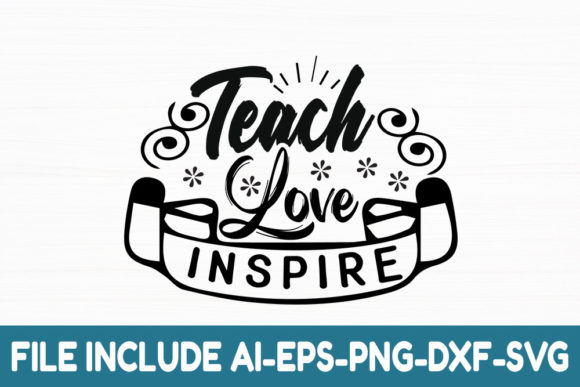
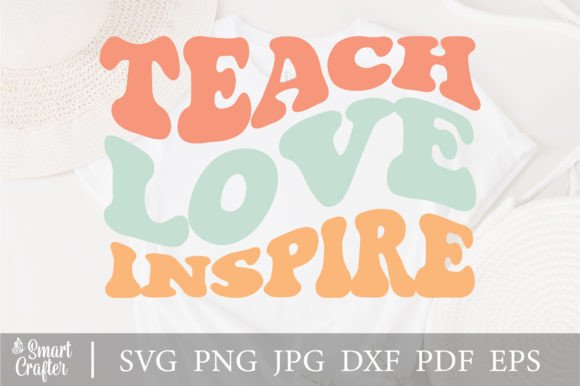
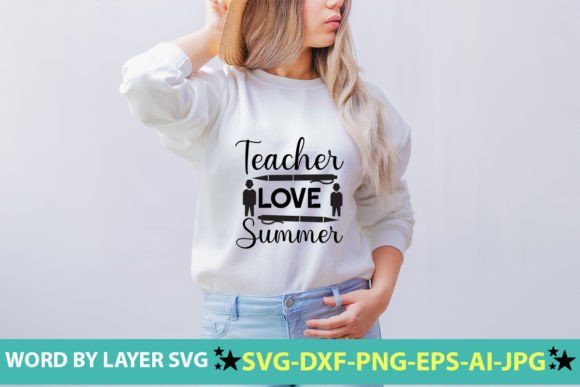
The Teacher Love Inspire SVG Design carries a distinct mood of warmth and encouragement. Visually, it balances playful typography with heartfelt sentiment, making it an ideal candidate for educational themes. As a graphics asset, the lines appear clean and intentional, which is a positive sign for potential embroidery conversion. The layout suggests a centered composition that would sit beautifully on the chest of a sweatshirt or the center panel of a tote bag. However, because this is provided as a vector graphic rather than a pre-digitized machine embroidery design, the visual personality you see on your monitor is merely a blueprint. The "word by layer" structure included in the zip file is particularly advantageous here, as it allows you to isolate elements if you need to adjust spacing or resize specific components before assigning stitch types like satin stitch or fill stitch.
Real-World Application: Stitching a Custom Teacher Tote
To truly evaluate this design, I mentally walked through a recent client project involving custom canvas tote bags for a school staff appreciation event. Canvas is a sturdy but textured fabric that demands respect. If I were using the Teacher Love Inspire SVG Design for this application, my first consideration would be stabilizer choice and stitch density. Vector lines often look deceptively thin; when converted to running stitches for outlining text, they can disappear into the weave of natural canvas unless slightly thickened during the digitizing process.
For this specific handmade product, I envision the word "Inspire" rendered in a decorative script using a satin stitch column to add dimension and shine, while "Teacher Love" could utilize a cleaner sans-serif fill stitch for readability. The layered SVG files make this separation easier, allowing me to assign different thread colors without manually redrawing shapes in my embroidery software. The result would be a personalized gift that feels boutique-quality rather than mass-produced. Customers react positively to tactile details, so ensuring the lettering has enough width to accommodate proper satin columns is vital for that premium feel.
Navigating Fabric Challenges and Hoop Limitations
While the aesthetic of the Teacher Love Inspire SVG Design is versatile, practical execution requires caution depending on your substrate. Not all fabrics forgive poor digitizing choices derived from vector art.
- Stretchy Fabrics: If applying this to a t-shirt or lightweight hoodie, the design’s stability is paramount. Knits stretch; vectors do not. You must use adequate cut-away stabilizer and potentially add underlay stitches to prevent the fabric from puckering or the letters from distorting after washing.
- Textured Surfaces: On tea towels or linen aprons, fine details in the original SVG may get lost. I recommend simplifying intricate serifs or flourishes before digitizing. A running stitch outline on rough linen often looks jagged; converting key elements to filled shapes ensures clarity.
- Curved Surfaces: Placing this design on a cap or curved pocket requires rethinking the layout. Flat vector art does not account for cylindrical distortion. You may need to arc the text or reduce the overall height to fit within the limited vertical sewing field of a cap frame.
- Small Hoop Sizes: If you are working with a 4x4 hoop, verify the dimensions immediately. Resizing a complex vector design down to fit a small area often renders tiny lettering illegible once stitched. It is better to select fewer words from the layered file than to force the entire phrase into a space where stitch clarity suffers.
Impact on Product Value and Brand Perception
For small business owners and creative entrepreneurs, the technical execution of the Teacher Love Inspire SVG Design directly influences perceived value. A crisp, well-digitized embroidery project signals professionalism and builds customer trust. Conversely, gapping stitches, misaligned layers, or thread breaks caused by excessive density can make even a beautiful design look amateurish. When selling on Etsy or at craft fairs, your photos showcase the stitch quality as much as the design itself.
This design’s theme lends itself to high emotional value. Teachers and educators cherish items that acknowledge their impact. By taking the time to properly test and refine the digitization of this SVG, you transform a simple digital file into a cherished keepsake. Whether used for holiday embroidery, end-of-year gifts, or commercial embroidery services for local schools, the consistency of your output defines your brand. Using the provided PNG file for printable mockups can also help secure sales before you stitch a single sample, allowing clients to visualize the final placement and color scheme.
Essential Designer Notes for Successful Execution
Before loading the Teacher Love Inspire SVG Design into your production queue, adhere to these professional best practices to ensure success across various applications, from baby embroidery to adult apparel.
- Verify Licensing Terms: The product description lists file formats but does not explicitly state commercial usage rights for finished embroidered products versus digital redistribution. Always confirm whether you can sell physical items made with this design or if it is restricted to personal use. This protects your craft business from legal issues.
- Test Stitch on Scrap Fabric: Never run a new digitization directly on a client’s garment. Use a scrap piece of the exact fabric and stabilizer combination intended for the final project. Check for registration issues between the word layers.
- Evaluate Thread Color Contrast: Test the design in both light and dark thread on contrasting fabrics. A white satin stitch on cream fabric offers subtle elegance but low visibility; a navy fill stitch on a grey sweatshirt pops beautifully. Ensure the chosen palette aligns with the legibility required for the message.
- Check Small Detail Integrity: Inspect the smallest text elements in your embroidery software. If any letter is narrower than 1mm, consider widening it or changing the stitch type. Satin stitches below a certain width risk cutting the fabric or causing needle breaks.
- Review Stitch Density: Vectors have no inherent density. You must set this manually. Overly dense areas on lightweight fabric cause holes; sparse areas on fleece look patchy. Adjust density based on fabric weight and texture.
- Utilize the Layered Files: Take advantage of the "Word By Layer" SVG files. They allow you to mix and match. Perhaps a customer only wants "Inspire" on a baby bib or "Teacher Love" on a mug cozy. Modular use increases the versatility of this single purchase.
The Teacher Love Inspire SVG Design holds significant promise for makers who treat digitizing as a craft equal to stitching. Its clean vector origins provide a solid foundation, but the magic happens when you apply technical embroidery knowledge to translate those lines into thread. By respecting fabric limitations, testing rigorously, and leveraging the layered file structure, you can create custom apparel and personalized gifts that truly honor the spirit of the design. Remember, a digital file is just the starting point; your expertise brings it to life in the hoop.