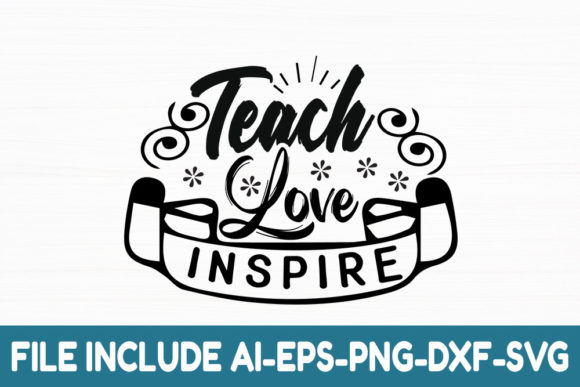
Teach Love Inspire: An Embroidery Design Review
When evaluating a new digital asset for my embroidery business, I look beyond the screen preview to imagine how the design will actually behave under the needle. The Teach Love Inspire graphic arrives as a versatile package including SVG, PNG, EPS, and DXF formats, which immediately signals its utility for both digital cutting and digitizing software. As a designer who frequently creates merchandise for educators and school events, this specific teacher quote carries a sentimental weight that customers love. However, translating a flat graphic into a tactile machine embroidery design requires careful consideration of stitch types, fabric choices, and end-use durability. My initial impression is that this layout offers excellent balance, but its success in a real-world embroidery project depends entirely on how we interpret those vector lines into thread.
Translating Vectors to Thread for Teacher Gifts
I recently prepared a custom order for a retiring kindergarten teacher who wanted a keepsake tote bag. This scenario is the perfect testing ground for Teach Love Inspire. The phrase itself suggests warmth and dedication, making it ideal for personalized gifts or appreciation items. When I opened the source files, the clean lines of the SVG and EPS formats made it easy to visualize the digitizing path. For a tote bag design, the canvas texture provides a sturdy base, but it also demands a robust stitch density to prevent the design from sinking into the weave.
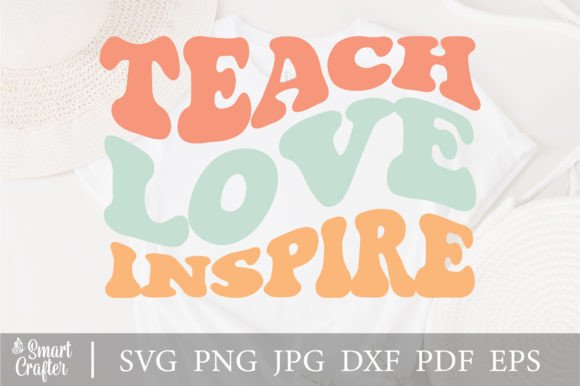
In this real-life application, I had to decide whether to treat the lettering as a satin stitch or a fill stitch. Given the likely width of the words "Teach," "Love," and "Inspire," a satin stitch would provide that classic, shiny embroidery look that elevates a simple cotton bag into a premium handmade product. However, if the font in the original graphic is particularly bold or wide, I would need to adjust the column width to avoid thread breaks or puckering. This is where having the editable vector files becomes crucial; I can modify the stroke width before digitizing to ensure the embroidery file produces crisp, legible text rather than a dense, bulletproof patch of thread. The emotional resonance of this quote means the execution must be flawless; sloppy stitching on an inspirational message undermines the sentiment entirely.
Fabric Compatibility and Stabilizer Strategy
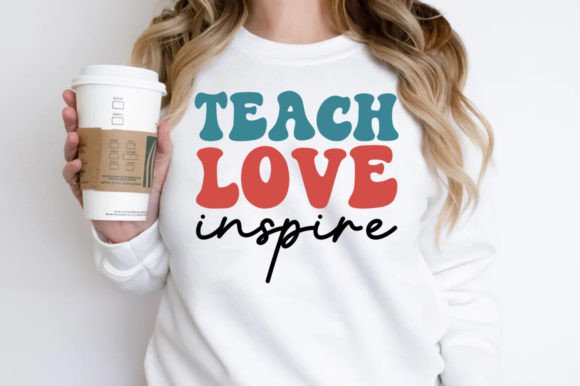
While Teach Love Inspire works beautifully on stable woven fabrics like canvas or denim, crafters must exercise caution when applying it to stretchy or textured materials. If you are planning sweatshirt embroidery or working with knit blends for teacher apparel, the design’s stability relies heavily on your stabilizer choice. Knits move and distort under the tension of the hoop and needle. Without adequate cut-away backing, even a well-digitized version of this quote can warp, causing the letters to pull inward or the fabric to tunnel.
I also advise testing this design on dark fabrics before committing to a final finished product. The contrast between thread color and fabric background dictates readability. A white or cream thread on a navy sweatshirt makes the message pop, whereas low-contrast combinations might cause the intricate details of the typography to get lost visually. For baby embroidery projects, such as a bib or onesie for a teacher’s child, the physical feel of the stitching matters as much as the look. You may need to reduce the stitch density or use a lighter weight thread to prevent the design from becoming too stiff or abrasive against sensitive skin. Always run a test stitch-out on scrap fabric that matches your final project’s weight and texture to verify that the hoop size accommodates the design without excessive empty space or overcrowding.
Navigating Small Details and Commercial Use
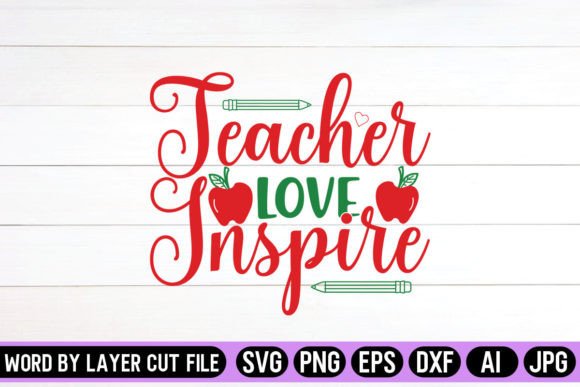
One aspect of Teach Love Inspire that requires a professional eye is the potential for small decorative elements often found in teacher-themed graphics. If the design includes tiny hearts, stars, or script flourishes, these can be problematic at smaller sizes. When resizing a digital embroidery file down for a pocket logo or an embroidered patch, minute details can turn into thread blobs. In my experience, it is better to simplify the design for small applications than to risk poor stitch definition. Check the minimum recommended size for any included fonts or intricate accents. If you are creating small shop product listings for Etsy or a craft fair, ensure your photos accurately represent how these details render in thread, not just in pixels.
For fellow Etsy sellers and creative entrepreneurs, understanding the licensing and commercial viability of this asset is paramount. While the zip file provides the necessary graphics for creating printable mockups and marketing materials, you must confirm the specific usage rights regarding selling finished embroidered goods versus selling the digital file itself. Most designers allow for the sale of physical custom apparel and handmade items featuring the design, but prohibit reselling the unaltered design assets. Clarifying this protects your business and respects the original creator. Furthermore, when listing products featuring Teach Love Inspire, use high-quality photos of actual stitched samples rather than just digital renders. Customers trust sellers who demonstrate that the design has been physically tested and proven to stitch out cleanly on the advertised medium.
Practical Notes for Makers and Business Owners
Before you load this design into your machine or list it in your shop, consider these practical checkpoints derived from professional review:
- Verify File Integrity: Although the package lists SVG, PNG, EPS, and DXF formats, always open each file in your respective software to ensure they are uncorrupted and fully editable before starting a time-intensive digitizing process.
- Mockup Testing: Utilize the included PNG for digital previews, but create a black-and-white version to check value contrast. This helps predict how the design will read on various fabric colors without relying solely on color differentiation.
- Thread Color Planning: Plan your thread colors in advance. For a multi-color design, map out the color changes to minimize jumps and trims. If the design is monochromatic, select a thread sheen (matte vs. glossy) that complements the fabric's finish.
- Washability Check: Since teacher gifts like aprons, tea towels, and tote bags require frequent washing, ensure your top and bobbin threads are colorfast and durable. Rayon offers shine but polyester often withstands industrial laundering better for commercial embroidery contexts.
- Hoop Selection: Choose the smallest hoop size that comfortably fits the design to maintain maximum fabric tension. Excessively large hoops for small designs increase the risk of shifting and misalignment.
Ultimately, Teach Love Inspire is more than just a collection of vector files; it is a foundation for meaningful, handcrafted connections. Whether you are producing holiday embroidery for staff gifts, outfitting a classroom with custom decor, or building a niche brand around educational themes, the success of the project lies in the technical translation from screen to stitch. By respecting the limitations of thread, choosing appropriate stabilizers, and validating the design through physical testing, you transform a digital graphic into a cherished, professional-quality heirloom. Take the time to understand the personality of this design, and it will serve your business and your customers beautifully.