Science Girl Chemistry Biology: Embroidery Review
As a professional embroidery designer and product reviewer, I approach every new machine embroidery design with a critical eye toward production viability. When evaluating the Science Girl Chemistry Biology graphic for real-world application, my primary concern is not just how cute the artwork looks on a screen, but how it translates into thread on fabric. This design targets a specific niche: science teachers, chemistry enthusiasts, biology students, and retired educators looking for humorous or nostalgic apparel. From a business perspective, this is a high-potential asset for Etsy sellers and craft business owners because it bridges the gap between academic pride and trendy aesthetic.
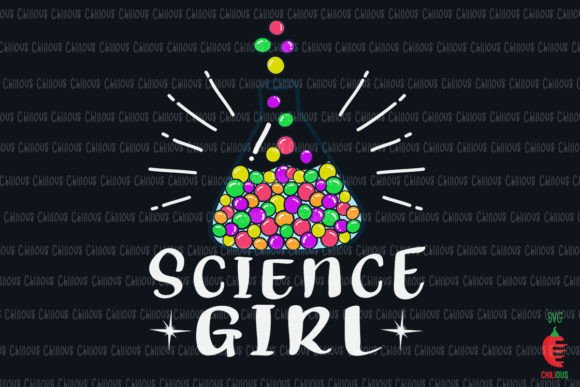
My first impression of Science Girl Chemistry Biology is that it possesses a distinct visual personality suitable for both custom apparel and novelty gifts. The layout suggests a balance between illustrative elements and typography, which is crucial for readability in embroidery. Unlike generic clip art, this design feels curated for the maker community. However, before loading this embroidery file into your machine, you must assess its structural integrity. Does the text have enough height to remain legible after stitching? Are the scientific icons defined by clean satin stitch borders or complex fill stitch areas? These factors determine whether the final handmade product looks professional or amateur.
Real-World Application: The Teacher Tote Bag Test
To truly evaluate this design, I mentally placed it in a specific production scenario: creating a personalized canvas tote bag for a high school chemistry teacher’s first day of school. Tote bags are a staple small shop product, but they present unique challenges due to the coarse weave of canvas and the potential for distortion.
In this scenario, Science Girl Chemistry Biology needs to hold up against the texture of the fabric. If the design relies heavily on tiny details or thin lines, the canvas texture could swallow the stitches, making the "chemistry" aspect look muddy. For this project, I would prioritize a version of the design that utilizes bold outlines and adequate spacing. As an applique design, it could work beautifully if the scientific beakers or atoms are appliquéd rather than fully stitched out, reducing density and preventing the bag from becoming stiff. Conversely, if using standard embroidery, ensuring proper stabilizer usage is non-negotiable to prevent the design from puckering on the open-weave fabric. The goal is a crisp, readable image that a teacher would be proud to carry into a classroom.
Fabric Compatibility and Technical Constraints
Not all fabrics treat digital embroidery file assets equally. When planning to use Science Girl Chemistry Biology across different products, you must adjust your expectations based on the substrate.
- Sweatshirt Embroidery: Fleece and French terry are forgiving but fuzzy. This design will likely perform well here, provided the stitch density is sufficient to cover the nap of the fabric. Avoid placing tiny text directly on heavy fleece without a topping.
- Baby Embroidery: If adapting this for a onesie or bib, caution is required. Baby knits are stretchy and delicate. You must verify that the design does not have excessive jump stitches or dense fill areas that could irritate sensitive skin or distort the garment's fit.
- Caps and Hats: Curved surfaces are the enemy of wide designs. Unless Science Girl Chemistry Biology has been specifically digitized for caps with a center-out stitch sequence, avoid placing it on structured hats. Flat brims or unstructured dad hats are safer bets.
- Kitchen Towels and Aprons: These are excellent candidates for this theme. However, ensure the thread colors provide high contrast against the towel color. A dark navy design on a black towel will fail visually, regardless of stitch quality.
For commercial embroidery projects involving frequent washing, such as lab coats or scrubs, verify that the design uses durable stitch types. Running stitches may break over time, whereas satin or tatami fills offer better longevity.
Visual Appeal and Brand Consistency for Sellers
For creative entrepreneurs, the value of Science Girl Chemistry Biology extends beyond the physical stitch-out. It impacts buyer engagement and perceived value. A clean, well-digitized design signals professionalism. If you are selling finished items, the clarity of the science symbols directly affects customer trust. Buyers in the education sector appreciate accuracy; a misshapen molecule or illegible formula can detract from the humor or sentiment of the gift.
Furthermore, consider how this design functions in your marketing. Before committing to bulk production, create a printable mockup or digital preview. Test the design in black and white to ensure the values read correctly without relying solely on color differentiation. This step is vital for Etsy listings where customers need to visualize the personalized gift before purchasing. Consistency in how you present this design across sweatshirts, mugs, and patches builds brand recognition. If the design looks vastly different on a cap versus a pillow cover due to poor digitizing adaptation, it weakens your shop's cohesive identity.
Critical Pre-Stitch Checklist for Makers
Before you sell a single item featuring Science Girl Chemistry Biology, run through this practical checklist to protect your reputation and materials:
- Verify Licensing: Confirm whether the included files allow for commercial use of finished products versus digital redistribution. Never assume rights; check the specific terms provided with the download.
- Test Stitch-Out: Always sew a sample on scrap fabric that matches your final project weight. Do not rely on screen simulation.
- Check Hoop Size: Ensure the design fits your hoop with adequate margin for stabilization. Resizing can alter stitch density and ruin registration.
- Evaluate Small Details: Inspect any text under 5mm. If it is too small for reliable stitching, edit it out or replace it with a larger font before production.
- Stabilizer Match: Pair cut-away stabilizer for stretchy knits and tear-away for stable wovens. Using the wrong support is the most common cause of failure.
- Thread Contrast Check: View the design under natural light. Ensure the science elements pop against the chosen fabric background.
Final Verdict for Creative Businesses
Science Girl Chemistry Biology represents a versatile asset for the Crafts category, specifically within the education and STEM niches. Its success as a finished product depends entirely on the maker's technical diligence. When executed correctly on appropriate fabrics like cotton tees, canvas totes, or denim aprons, it offers high giftability and strong market appeal for back-to-school seasons or retirement celebrations. However, makers must respect the limitations of their machines and materials. By treating this Graphics asset as a component of a larger production workflow rather than a plug-and-play solution, you ensure that every embroidered patch, sweatshirt, or holiday gift meets the standards your customers expect. Ultimately, thoughtful preparation transforms a digital file into a cherished, professional-quality keepsake.