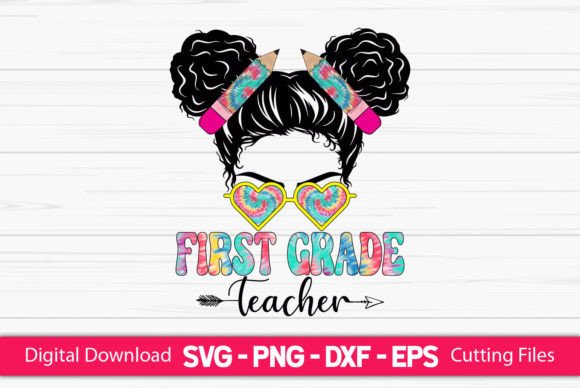
First Grade Teacher Messy Bun: Embroidery Review
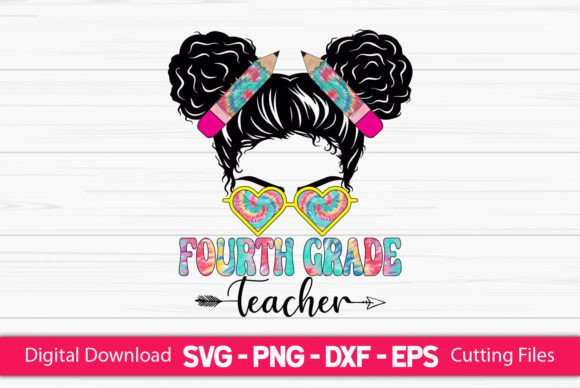
As a designer who has digitized and stitched out countless educational-themed graphics, I approach every new file with a critical eye. When evaluating the First Grade Teacher Messy Bun design, my primary concern is not just how it looks on a screen, but how it translates into thread on fabric. This graphic carries a specific cultural weight in the crafting community; it represents the relatable, hardworking, yet stylish educator. For small business owners and Etsy sellers, this design is more than just a cute image—it is a potential bestseller during back-to-school season or teacher appreciation week. However, moving from a digital SVG or PNG file intended for cutting machines to a professional machine embroidery design requires careful consideration of structure, density, and end-use application.
Translating Digital Graphics to Thread
The first impression of the First Grade Teacher Messy Bun is one of playful professionalism. The silhouette suggests movement and personality, which is excellent for marketing but presents unique challenges for embroidery. As a digital product originally formatted for Cricut and Silhouette, the lines are likely clean and vector-based. For an embroidery project, these clean lines must be interpreted correctly. If you are converting this graphic yourself or purchasing a pre-digitized version based on this art, pay close attention to the outline. A messy bun relies on organic, flowing curves. In embroidery, if the satin stitch border is too rigid or the column width is inconsistent, the hair can look blocky rather than textured.
I always recommend reviewing the stitch density before committing to a full production run. Because this design features intricate details in the hair and potentially small text elements like "First Grade," there is a risk of puckering on lighter fabrics. The visual personality of this design depends entirely on the contrast between the bun’s texture and the background fabric. If the stitches are too dense, the design becomes bulletproof and stiff; if they are too sparse, the fabric shows through, making the finished product look cheap. Finding that balance is what separates a hobbyist stitch-out from a boutique-quality garment.
Real-World Application: The Teacher Tote Test
To truly judge the viability of this design, I mentally place it in a real-life scenario. Let’s imagine creating a custom canvas tote bag for a first-grade teacher. This is a classic use case for craft business owners. Canvas is forgiving, but it has a distinct weave. When stitching the First Grade Teacher Messy Bun onto natural canvas, I would opt for a medium-weight cutaway stabilizer to prevent the design from distorting the bag's shape. The goal is to create a personalized gift that feels durable enough for daily classroom use.
In this scenario, the design needs to hold up against wear and tear. Teachers carry heavy books, water bottles, and supplies. If the embroidery uses excessive running stitch details for the hair strands, those threads could snag or break over time. A combination of fill stitches for volume and satin stitches for definition usually performs best here. Furthermore, consider the color palette. First-grade aesthetics often lean toward bright primaries or soft pastels. Testing thread colors against the specific tote material is non-negotiable. A dark brown bun might disappear on a chocolate canvas but pop beautifully on cream. This level of foresight ensures customer satisfaction and reduces returns for your Etsy seller shop.
Sweatshirts and Apparel Considerations
Beyond bags, this design is a staple for sweatshirt embroidery and custom apparel. Hoodies and crewnecks are high-value items for small shop product listings. However, knit fabrics introduce stretch. The First Grade Teacher Messy Bun likely has a vertical orientation due to the hairstyle. On a sweatshirt, you must ensure the design is centered properly relative to the neckline and seams. A common mistake is placing the design too low, causing it to get lost in the kangaroo pocket area or bunch when worn.
When working with fleece or French terry, the fabric texture can swallow fine details. If the original graphic includes tiny sparkles or accessories in the hair, verify they are large enough to stitch clearly. Anything under 4mm in height risks becoming a thread blob. For apparel, I also consider washability. Teachers will wash these sweatshirts frequently. Using high-quality polyester or rayon thread and ensuring proper top and bobbin tension prevents the design from looking ragged after a few cycles. This durability directly impacts brand consistency and buyer engagement; customers trust shops whose products last.
Navigating Fabric Limitations and Hoop Sizes
Not every substrate is suitable for this specific aesthetic. While the First Grade Teacher Messy Bun shines on stable cottons and fleeces, it requires caution on performance wear or thin baby clothes. For baby embroidery or lightweight tees, the design may need to be resized or simplified. Reducing the size affects hoop size selection and stitch integrity. Never shrink an embroidery file below its minimum safe threshold without re-digitizing, as stitch lengths become too short and cause needle breaks or fabric damage.
Dark fabrics present another hurdle. If you are stitching a dark-haired bun on a navy sweatshirt, you lose definition. You may need to add a white underlay or outline to make the design visible. Conversely, on sheer or mesh fabrics often used in trendy teacher gear, the stabilizer choice becomes critical. A water-soluble topping helps keep stitches from sinking into the pile, while a no-show mesh stabilizer prevents shadowing. Understanding these technical nuances is what makes a handmade product feel professional rather than DIY.
Commercial Viability and Licensing Checks
For creative entrepreneurs selling design assets or finished goods, licensing is paramount. The product description specifies this is a digital file for cutting machines. Before using First Grade Teacher Messy Bun for commercial embroidery, you must confirm the license terms explicitly allow for digitizing and selling embroidered items. Many designers permit personal use but restrict commercial reproduction. Always check the included documentation or contact the creator. Assuming rights can lead to shop closures or legal issues.
If you are cleared for commercial use, this design has strong market potential. It fits perfectly into niche categories like "Teacher Life," "Back to School," and "Grade Level Pride." Creating printable mockups using the PNG version can help validate demand before you spend hours digitizing and test stitching. Show the design on a variety of products in your listing photos to demonstrate versatility. High-quality presentation builds customer trust and highlights the value of your work.
Designer Notes for Successful Execution
Before launching this design in your shop or gifting it to a client, follow this practical checklist:
- Test Stitch First: Never skip the test run on scrap fabric similar to your final project. Check for registration issues between the hair and any text elements.
- Verify Text Legibility: If the design includes "First Grade" text, ensure the font height exceeds 5mm for readability. Satin stitch text should have adequate pull compensation.
- Stabilizer Matching: Use cutaway for knits and stretchy fabrics; use tear-away only for stable, non-stretch woven fabrics like denim or canvas.
- Contrast Check: View your thread color choices in natural light. Screen colors often differ from physical thread shades.
- Hoop Selection: Choose the smallest hoop that comfortably fits the design to maintain maximum fabric tension and reduce distortion.
- Licensing Confirmation: Document your commercial usage rights before listing any digital embroidery file conversions or finished merchandise for sale.
The First Grade Teacher Messy Bun is a charming and culturally relevant graphic that translates well to embroidery when handled with technical respect. By focusing on stitch quality, appropriate fabric pairing, and rigorous testing, you can transform this digital asset into a profitable and beloved embroidered patch, apparel item, or accessory. Whether you are an experienced digitizer or a maker exploring new niches, treating this design with professional care ensures it meets the high standards of both the maker community and the educators who cherish these personalized treasures.