Teacher Valentine’s Day SVG: A Stitch-Test Review
First Impressions for the Embroidery Professional
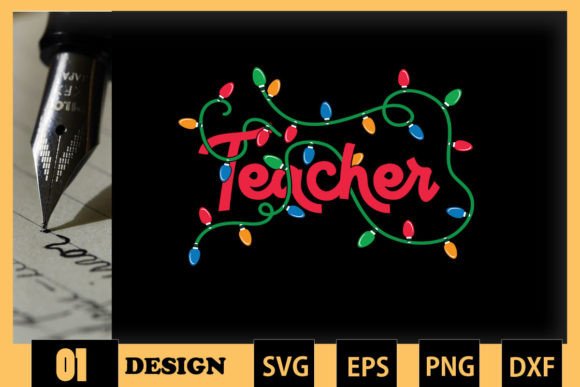
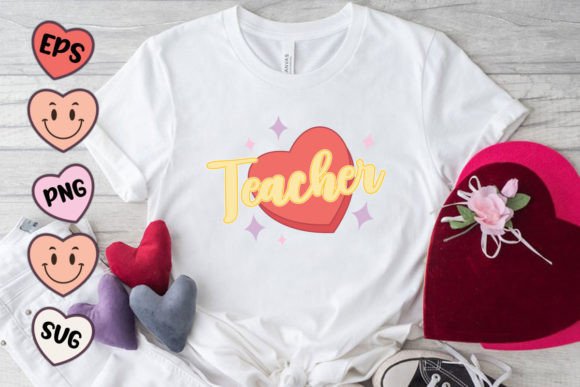
When evaluating a new machine embroidery design, my first question is always whether the digital artwork will translate cleanly into thread. The Teacher Valentine’s Day SVG presents itself as a versatile graphic asset, but for those of us running hoops and needles, versatility means nothing without structural integrity. Upon opening the file package, which includes EPS, PNG, and SVG formats, the immediate appeal is the clean vector lines. For an Etsy seller or craft business owner, this clarity is promising. It suggests that if you are converting this embroidery file yourself or sending it to a digitizer, the pathways should be logical and distinct.
The mood of this design strikes a balance between professional appreciation and festive warmth. It avoids the overly juvenile aesthetic that sometimes plagues teacher-themed graphics, making it suitable for adult apparel and sophisticated classroom decor. As a reviewer who has stitched out countless holiday designs, I appreciate that the visual personality here feels intentional rather than generic. It belongs on items that a teacher would actually want to use or display, rather than novelty items destined for a drawer. However, because the product description highlights its utility for cards and phone cases, we must critically assess how these high-resolution 300 DPI graphics perform when adapted for textile applications versus paper or screen.
Real-World Application: The Custom Sweatshirt Test
To truly judge this Teacher Valentine’s Day SVG, I mentally placed it in a real production scenario: creating a custom crewneck sweatshirt for a middle school art teacher. This is a common request for custom apparel during February. Sweatshirts present specific challenges due to the fleece backing and stretchy knit structure. In this context, the design needs to hold its shape without distorting the garment.
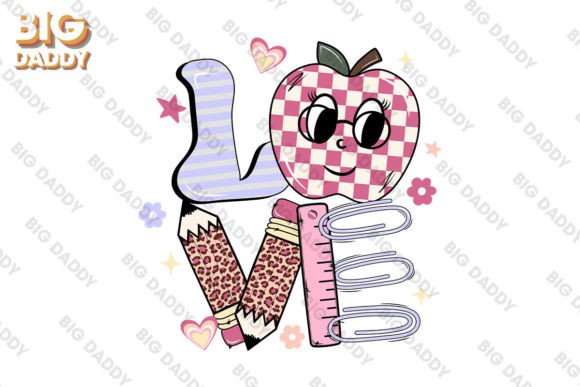
If utilizing this graphic as a base for an applique design, the SVG format is invaluable for creating precise cutting templates. For the sweatshirt project, I would envision using a soft cotton twill applique for the main heart or apple shapes within the design, secured with a satin stitch border. The remaining text elements would work best as fill stitches or running stitches depending on the font weight. This combination reduces overall stitch density, preventing the "bulletproof" effect that makes embroidered sweatshirts stiff and uncomfortable. Customers value comfort as much as aesthetics; a heavy, dense design on a lightweight fleece can cause puckering and drape issues. By leveraging the clean lines of this SVG to create a mixed-media embroidery approach, the final handmade product retains a boutique quality that justifies a higher price point.
Navigating Fabric Variables and Hoop Limitations
While the Teacher Valentine’s Day SVG is visually adaptable, practical application requires caution regarding substrate choice. Not every fabric is a friend to detailed graphics. If you are planning baby embroidery or items for delicate linens, you must scrutinize the line weight. Thin fabrics like quilting cotton or baby onesies cannot support heavy satin columns without significant stabilization. Conversely, highly textured fabrics like terry cloth towels can swallow fine details. If the design features intricate script or thin connecting lines, they may get lost in the pile of a tea towel unless you use a water-soluble topper and potentially thicken the stitch width during digitization.
Hoop size is another critical constraint. The included PNG is 12x12 inches at 300 DPI, which is excellent for print, but embroidery machines have physical limits. Before committing this design to a cap or pocket placement, verify your machine's maximum field. Resizing a complex vector graphic down to a 4x4 hoop for a pocket logo often necessitates simplifying the design. Tiny lettering that looks crisp on a screen may become illegible thread blobs at small scales. For caps specifically, the curvature adds distortion risks. I recommend testing the design on a curved surface or using a specialized cap stabilizer if you intend to use this for headwear. Always respect the physics of thread; what works as a flat graphic does not automatically work as a dimensional stitch object.
Elevating Product Value and Brand Consistency
For small shop product lines and commercial creators, consistency builds trust. Using a cohesive graphic style across multiple products—perhaps matching tote bags, patches, and digital planners—creates a recognizable brand identity. The Teacher Valentine’s Day SVG supports this ecosystem well. Because it includes high-quality raster and vector options, you can produce matching printable mockups for your listings while offering the physical finished product. This dual approach captures both the DIY market and the ready-to-buy customer.
However, visual appeal directly influences perceived value. A poorly executed stitch-out devalues even the most beautiful source art. When customers see clean registration, appropriate thread tension, and thoughtful color choices in your listing photos, they trust your craftsmanship. This design’s balanced composition allows for strong visual hierarchy, ensuring the "Teacher" sentiment remains the focal point even when surrounded by decorative Valentine’s elements. For personalized gifts, leaving adequate negative space within the design layout for a name or year is essential. If the SVG is too crowded, adding personalization becomes an afterthought rather than a feature. Evaluate the whitespace before stitching to ensure customization feels integrated, not squeezed in.
Essential Designer Notes for Safe Execution
Before loading this Teacher Valentine’s Day SVG into your software or sending it to production, adhere to these professional protocols to protect your reputation and materials:
- Verify Licensing: The product description lists file types and resolution but does not explicitly state commercial embroidery licensing terms. Always confirm whether you can sell finished embroidered goods or if the license is limited to personal use or digital resale before listing items on Etsy or at craft fairs.
- Test Stitch on Scrap: Never run a new design on a final garment first. Use a scrap of the exact fabric and stabilizer combination intended for the project. Check for puckering, registration errors, and thread breaks.
- Check Contrast: View the design in black and white before selecting thread colors. If the values are too similar, the design will look muddy in thread form, regardless of how vibrant the colors appear digitally.
- Assess Density: If digitizing from the SVG, monitor your stitch count. High-density areas on stretchy knits require cutaway stabilizer and potentially a lighter density setting to maintain fabric hand.
- Mockup Validation: Create digital previews using the provided 300 DPI PNG to show clients potential placements. However, include a disclaimer that actual thread texture varies from digital renderings to manage expectations.
- Detail Inspection: Zoom in to 100% on the vector file. Ensure there are no open nodes or overlapping paths that could cause erratic machine behavior during automated conversion.
By treating the Teacher Valentine’s Day SVG as a foundational blueprint rather than a finished solution, you bridge the gap between digital graphics and tangible heirlooms. Whether you are crafting a tote bag design for a teacher appreciation event or building a seasonal collection for your online store, success lies in respecting the translation process from pixel to stitch. Practical judgment, thorough testing, and attention to material constraints are what separate hobbyist attempts from professional-grade commercial embroidery. Use this asset wisely, test relentlessly, and let the quality of your execution honor the sentiment of the design.