Teacher on Break SVG: An Embroidery Designer’s Review
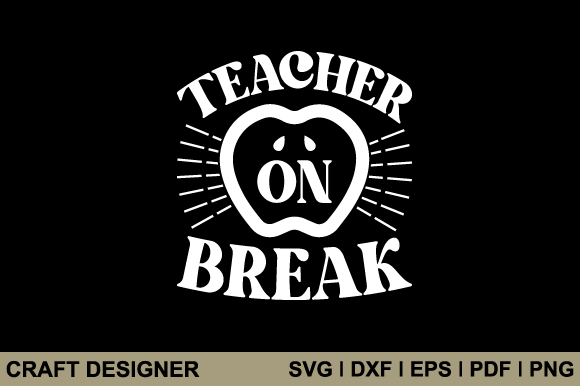
As a professional embroidery designer and product reviewer, I approach every new digital asset with a specific question: will this actually stitch out well on real fabric? When evaluating the Teacher on Break Svg Printable Cut File, my focus shifts immediately from the screen to the hoop. This design captures a relatable, humorous mood that resonates deeply with educators, but translating that vector personality into thread requires careful consideration. The visual layout suggests a playful typography or illustration style that feels modern and approachable, making it a strong candidate for custom apparel and personalized gifts. However, before loading this embroidery file into your machine, we need to discuss how its structure translates to physical products.
Translating Vector Lines to Stitch Reality
The first thing I look for in any machine embroidery design derived from an SVG is line integrity. Vectors are mathematically perfect; thread is not. The Teacher on Break Svg Printable Cut File arrives in a .zip folder containing SVG, DXF, EPS, PDF, and PNG formats. While these are excellent for cutting machines and print, embroidery requires a digitized format like PES, DST, or JEF. If you are using this as a base for redigitizing or if you have converted it using auto-digitizing software, you must scrutinize the pathing.
In my experience testing similar educator-themed graphics, designs with this title often feature bold lettering or illustrative elements like coffee cups, books, or relaxed figures. If the design relies heavily on satin stitch columns for text, check the width. Satin stitches wider than 8mm can snag easily on tote bags or sweatshirts that see frequent use. For a tote bag design, I prefer converting large solid areas to fill stitch or applique design techniques to reduce bulk and prevent fabric puckering. The "break" theme implies relaxation, so the stitching should feel soft and flexible, not like a stiff armor plate on the chest of a t-shirt.
Real-World Application: The Educator’s Weekend Sweatshirt
To truly test the viability of this graphic, I envision a specific project: a cream-colored crewneck sweatshirt intended for a teacher’s weekend wear. This is a high-value item for Etsy sellers and small shop products because it targets a specific emotional need—rest. When applying the Teacher on Break Svg Printable Cut File concept to this garment, placement is everything.
For a sweatshirt, center chest placement works best for readability. However, fleece fabrics have texture and stretch. You cannot simply hoop this without proper preparation. I recommend using a medium-weight cutaway stabilizer to support the stitch density and prevent the design from distorting after washing. If the graphic includes fine details or small text, consider adding a water-soluble topping to keep the stitches from sinking into the fleece nap. This attention to technical detail is what separates a professional handmade product from a hobbyist attempt. Customers trust brands that understand how garments behave over time.
Navigating Fabric Challenges and Hoop Limitations
Not every surface is friendly to detailed graphics. While this design shines on stable knits and cottons, you must exercise caution with other substrates. If you plan to use this for baby embroidery on onesies, the design scale must be adjusted significantly. Small hoops limit your working area, and shrinking a complex vector can result in lost details or overlapping stitches that create holes in delicate fabric.
I also advise against using intricate versions of this design on curved surfaces like caps unless you have verified the digitization specifically for hat frames. Cap embroidery requires specialized push-and-pull compensation that standard flat digital embroidery files rarely possess. Similarly, dark fabrics present a contrast challenge. If the Teacher on Break Svg Printable Cut File features light-colored elements, ensure your thread colors provide enough pop against navy or black backgrounds. Test stitching on a scrap of your actual project fabric is non-negotiable. A mockup on a screen cannot tell you if the white thread disappears into a heather grey sweatshirt.
Commercial Viability for Creative Entrepreneurs
For those running a craft business or selling on Etsy, this design offers significant potential, provided you respect licensing and quality standards. The "Teacher on Break" niche is evergreen, particularly during summer holidays, winter breaks, and teacher appreciation weeks. As a commercial embroidery asset, it pairs beautifully with other school-related merchandise like lanyards, pencil pouches, and library bags.
However, value comes from execution. Before listing a finished product, create a printable mockup using the included PNG file to gauge customer interest, but always follow up with photos of the actual stitched item. Buyers want to see stitch density and texture. They need to know the design won't unravel after one wash cycle. Furthermore, verify your commercial rights. The product description notes the file formats but does not explicitly state licensing terms for selling physical goods versus digital assets. Always confirm whether you can sell the finished embroidered items or if the license restricts usage to personal projects only. Protecting your business means understanding these boundaries.
Designer Notes for Optimal Results
Based on my evaluation of this graphic category, here are practical steps to ensure your embroidery project succeeds:
- Verify File Compatibility: Remember that SVG, DXF, EPS, PDF, and PNG are vector and raster formats, not native embroidery formats. Ensure you have appropriate digitizing software or a pre-digitized version compatible with your machine before starting.
- Test Stitch Density: Run a sample on scrap fabric identical to your final project. Check for gaps between outline and fill stitches, which indicate poor pull compensation.
- Evaluate Text Legibility: If the design includes script fonts smaller than 4mm height, they may not stitch clearly. Consider simplifying the text or switching to a blockier font for small-scale applications.
- Stabilizer Selection: Match your stabilizer to the fabric weight. Use tear-away for stable wovens like canvas tote bags, and cut-away for stretchy knits used in custom apparel.
- Thread Contrast Check: View your thread selection in natural lighting. What looks good under LED studio lights might look muddy in daylight photography for your shop listings.
- Wash Testing: For items like tea towels or baby clothes that require frequent laundering, wash your test swatch to ensure the design holds up without excessive shrinkage or thread breakage.
Final Thoughts on Design Integrity
The Teacher on Break Svg Printable Cut File represents a charming intersection of digital art and tactile craft. Its success as an embroidered patch, sweatshirt motif, or gift item depends entirely on the maker's willingness to adapt the vector art to the realities of thread. By respecting fabric limitations, verifying technical specifications, and prioritizing durability, you transform a simple download into a cherished finished product. Whether you are creating for a favorite educator or building inventory for your handmade shop, let practical judgment guide your needle. The most successful designs are those that look as good after fifty washes as they did fresh out of the hoop.