Teacher Mode on SVG Cut File: An Embroidery Review
As a designer who bridges the gap between digital graphics and tactile textiles, I approach every new asset with a specific question: will this actually translate to thread? When evaluating the Teacher Mode on SVG Cut File, my perspective shifts from screen to hoop. While this product is marketed as a digital download for Cricut Design Space, its potential in the embroidery studio is significant for those willing to adapt it. For fellow Etsy sellers, apparel decorators, and creative entrepreneurs, understanding how this graphic behaves as an embroidery foundation is crucial before listing a finished product.
First Impressions: Visual Personality and Stitch Potential
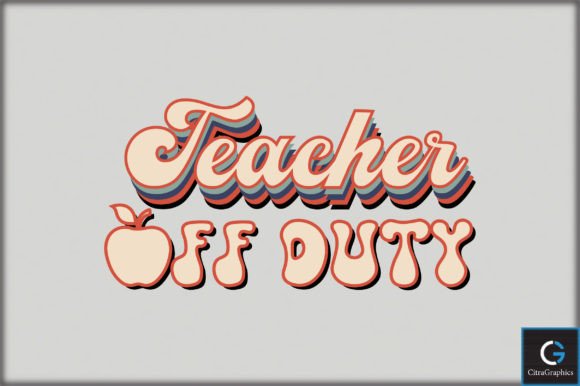
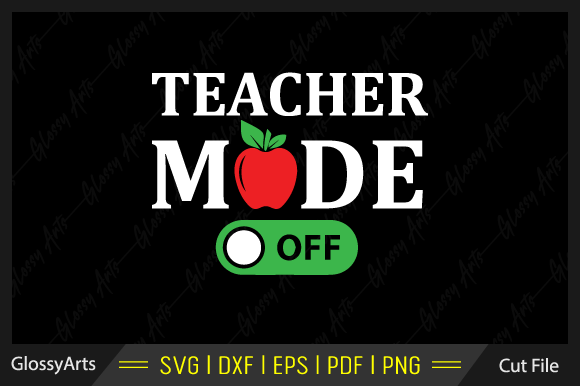
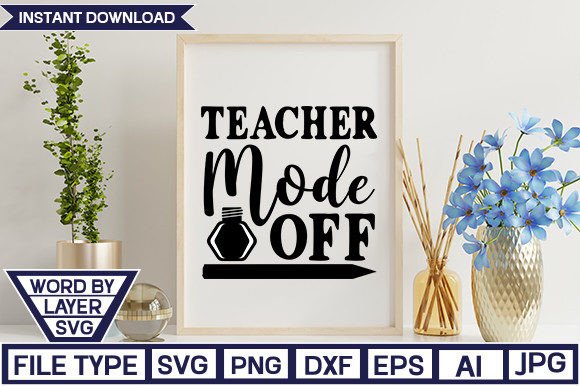
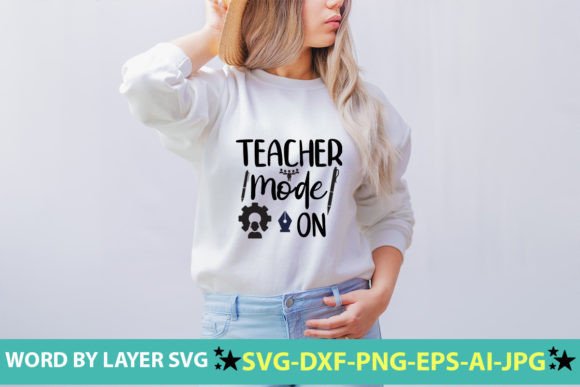
Upon opening the .zip file containing the word-by-layer SVG, the immediate impression is one of bold, playful clarity. The "Teacher Mode" aesthetic carries a distinct mood—energetic, relatable, and slightly nostalgic. As a graphics asset, it is clean, but as a future machine embroidery design, it presents both opportunities and challenges. The lettering appears substantial enough to support satin stitch borders or fill stitch interiors without collapsing, which is my primary concern when converting vector art to stitches.
The layout feels balanced for center-chest placement on custom apparel or as a focal point on a tote bag design. However, because this is originally intended for cutting machines, the corners are likely sharp. In embroidery, sharp interior corners can cause puckering if not properly managed during digitizing. The visual personality suggests this design belongs on casual, durable goods rather than delicate heirlooms. It screams "staff room coffee mug" or "back-to-school spirit wear," making it ideal for small shop products targeting educators and parents.
Real-World Application: The Educator Tote Bag Test
To truly judge this design, I mentally placed it into a real-life production scenario: creating a personalized gift for a head teacher retiring after thirty years. I envisioned a heavy-duty canvas tote bag, a staple handmade product in the craft business world. Canvas provides a stable fabric texture that supports dense stitching, making it a forgiving canvas for adapting an SVG.
In this context, the Teacher Mode on SVG Cut File serves as an excellent applique design template. Rather than stitching out thousands of fill stitches, I would use the SVG layers to cut fabric pieces for a layered applique. This reduces stitch density significantly, keeping the tote bag lightweight and flexible. The bold shapes allow for high contrast thread colors against natural canvas, ensuring readability from a distance. For an Etsy seller, this application method increases profit margins by reducing machine run time while maintaining a high perceived value. Customers react positively to textured, multi-media looks over flat, dense embroidery patches on bags.
Navigating Fabric Limitations and Hoop Constraints
While the design shines on stable fabrics, caution is required elsewhere. If you plan to use this for baby embroidery on stretchy knits or thin performance tees, the original SVG geometry may be too rigid. Stretchy fabric requires designs with adequate underlay and open spaces to prevent distortion. A solid block of text derived from this file could create a bulletproof vest effect on a lightweight t-shirt, leading to customer returns and negative reviews.
Furthermore, consider your hoop size. The aspect ratio of "Teacher Mode" suggests a wide format. Before purchasing, verify that the dimensions fit within your machine’s maximum embroidery area after resizing. Scaling down too aggressively to fit a 4x4 hoop might render internal details illegible or cause satin stitches to become too narrow for reliable production. Always check the physical dimensions of the graphic against your equipment capabilities. For cap embroidery, the horizontal span might exceed the curved framing limit, requiring you to modify the layout or choose a different design asset entirely.
Impact on Brand Consistency and Buyer Engagement
For commercial embroidery businesses and boutique branding, consistency is currency. Using recognizable, trendy phrases like "Teacher Mode" taps into existing buyer engagement, but execution defines professionalism. A poorly digitized version of this SVG will look amateurish, damaging trust in your handmade product line. Conversely, a well-executed adaptation signals quality.
This design also offers versatility for digital product sellers. Before committing to physical inventory, use the SVG to create printable mockups for your listings. Show customers what the sweatshirt embroidery or holiday embroidery item will look like before you stitch a single sample. This validates market demand and saves resources. However, ensure your mockups accurately represent the final stitched texture; misleading buyers with flat vinyl-style previews for an embroidered product creates expectation gaps.
Critical Designer Notes for Safe Adaptation
Because this is a digital download only and not a pre-digitized embroidery file, strict testing protocols are non-negotiable. Here is my practical checklist for integrating this into your workflow:
- Verify Licensing: The description specifies files for Cricut Design Space. Before selling any finished product or using this for commercial embroidery, confirm the license permits derivative works in thread form. Do not assume crafting rights equal embroidery resale rights.
- Test on Scrap Fabric First: Never run a new adaptation directly on a client’s garment. Test stitch density and stabilizer choices on a swatch matching your final project’s weight and weave.
- Check Thread Color Contrast: View the design in black and white during the digitizing or planning phase. If the design relies solely on color separation rather than stitch definition, it may fail on dark fabrics where contrast is low.
- Evaluate Small Details: Inspect the SVG for tiny serifs or decorative elements. These often do not translate well to running stitch or satin stitch and may need to be simplified or removed to prevent thread breaks and needle damage.
- Stabilizer Selection: For tote bags and aprons, use a firm cut-away or tear-away stabilizer. For stretchy apparel, always use a fusible no-show mesh to anchor the design and prevent tunneling.
- Mockup Validation: Compare light and dark fabric backgrounds in your digital previews. Ensure the design remains legible and aesthetically pleasing across all intended colorways.
Final Verdict for Makers and Sellers
The Teacher Mode on SVG Cut File is a versatile starting point for creative entrepreneurs, provided it is treated as a blueprint rather than a finished solution. Its strength lies in its bold, layer-ready structure, making it exceptional for applique projects and mixed-media crafts. However, its success as an embroidery project depends entirely on your technical ability to adapt vector lines into textile reality.
For the experienced digitizer or the crafter comfortable with modification, this asset holds immense value for back-to-school seasons, teacher appreciation gifts, and staff merchandise. For beginners expecting a plug-and-play embroidery file, proceed with education and caution. Ultimately, this graphic represents the intersection of modern digital crafting and traditional needlework, offering a pathway to unique, personalized products that stand out in a saturated marketplace. Always respect the technical limits of your machine and the licensing terms of the creator to build a sustainable, reputable craft business.