Teacher Fuel Sublimation: A Designer’s Stitch Test
When I first opened the Teacher Fuel Sublimation file, my immediate thought was not about how it would look on a screen, but how it would translate under the needle. As a designer who regularly bridges the gap between digital graphics and physical textiles, I approach every new asset with a healthy dose of skepticism. The product description highlights this as a print-ready SVG, PNG, DXF, and EPS file for cutting machines like Cricut and Silhouette. However, for those of us in the embroidery and mixed-media space, the real question is whether this graphic possesses the structural integrity to serve as a foundation for stitch work or hybrid crafting.
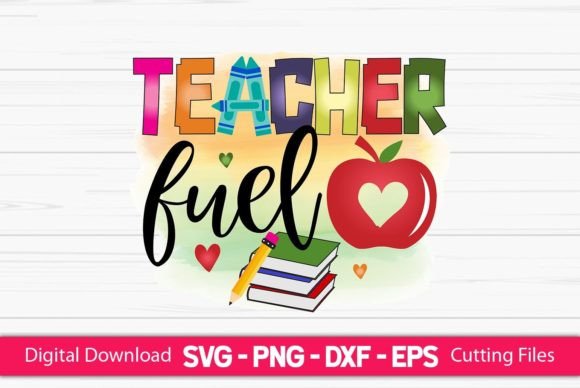
My first impression of the Teacher Fuel Sublimation design is that it carries a distinct, relatable personality. It captures that specific blend of exhaustion and dedication that defines modern education. Visually, the layout feels balanced for apparel, suggesting it was created with a central focal point in mind. For an embroidery designer or an Etsy seller looking to expand their teacher appreciation line, this mood is crucial. It does not feel generic; it feels like something a teacher would actually want to wear or display. But translating that digital charm into a tangible handmade product requires careful evaluation of line weight, negative space, and overall complexity.
Evaluating the Design for Real-World Application
I recently took on a custom order for a school staff lounge, which required creating merchandise that felt personal rather than corporate. This scenario provided the perfect testing ground for Teacher Fuel Sublimation. We were looking at sweatshirt embroidery and matching tote bags. While the file is marketed primarily for sublimation and vinyl cutting, I evaluated its potential as a guide for machine embroidery digitizing and applique design.
For the sweatshirts, the graphic’s bold shapes are its greatest asset. In embroidery, intricate details often get lost or cause puckering on knit fabrics. The strong silhouette of this design suggests it could be beautifully executed as a multi-layer applique design. I envision using a satin stitch border to define the outer edges, with fill stitch interiors that mimic the original color blocking. Because the design relies on clear shapes rather than microscopic gradients, it respects the limitations of thread. This makes it an excellent candidate for custom apparel where durability and washability are paramount.
For the tote bag portion of the project, the versatility of the Teacher Fuel Sublimation file shines. Tote bags often have a rougher fabric texture, such as canvas or duck cloth. Fine running stitch details can disappear into the weave of these materials. However, the bolder elements of this graphic allow for higher stitch density without compromising the fabric's drape. If you are a craft business owner planning a back-to-school collection, this design offers enough visual weight to stand out against natural cotton fibers while remaining light enough to prevent the bag from becoming stiff.
Navigating Fabric Limitations and Technical Constraints
Despite its strengths, no digital asset is universally perfect. When adapting Teacher Fuel Sublimation for embroidery projects, there are specific environments where caution is necessary. As a reviewer, I must emphasize that because this is supplied as a vector and raster graphic rather than a pre-digitized embroidery file, the burden of translation falls on you. You must verify hoop size compatibility before committing to a run.
Be particularly careful when applying this design to stretchy fabrics or performance wear. The "Teacher Fuel" theme often calls for comfort colors or triblend tees, but these unstable knits require significant stabilizer. If the design contains dense fill areas converted directly from the vector, you risk distorting the garment. I recommend testing the design on scrap fabric first, specifically matching the weight and stretch of your final product. Additionally, if you plan to use this for baby embroidery or items requiring frequent washing, ensure that any internal details are large enough to withstand abrasion. Tiny lettering or thin decorative accents derived from the SVG may need to be simplified or omitted entirely to maintain clarity after laundering.
Dark fabrics present another challenge. Since this is a sublimation-first design, it likely relies on white or light backgrounds for contrast. In embroidery, you cannot simply print white ink under the stitches unless you are doing a specialized patch. You will need to adjust thread colors to ensure the design pops against navy, black, or charcoal garments. Always test your thread color contrast in natural lighting before production. A design that looks vibrant on a monitor can appear muddy when stitched in rayon or polyester thread on a dark background.
Commercial Value and Professional Presentation
For Etsy sellers and small shop owners, the value of Teacher Fuel Sublimation extends beyond the stitch count. It lies in its ability to anchor a cohesive product line. When customers browse your listings, they are looking for brand consistency. Using this graphic across multiple mediums—perhaps as an embroidered patch on one item and a sublimated tumbler on another—creates a professional ecosystem that builds buyer trust.
However, professionalism also means understanding licensing and usage rights. Before listing any finished product or digital derivative, confirm the specific commercial terms attached to this file. Does the license cover physical goods only, or can you sell printable mockups and digital design assets? Clarifying this protects your business and ensures you are operating ethically within the crafting community. Furthermore, when creating listings, use high-quality mockups that accurately represent the texture of embroidery. Customers appreciate honesty; showing a flat digital image next to a photo of the actual stitched result manages expectations and reduces returns.
Practical Notes for the Embroidery Studio
If you decide to bring Teacher Fuel Sublimation into your studio, keep these practical considerations in mind to ensure success:
- Digitization Check: Remember that SVG and PNG files are not stitch files. You must digitize this design or hire a professional digitizer to convert it into a machine-readable format like DST or PES.
- Stabilizer Selection: Match your stabilizer to the fabric, not just the design. Cut-away stabilizer is generally safer for the knits typically associated with teacher apparel, while tear-away may suffice for woven tote bags.
- Detail Reduction: Vectors often contain nodes and layers invisible to the naked eye but problematic for embroidery software. Simplify the artwork before digitizing to reduce jump stitches and trims.
- Mockup Testing: Create both light and dark fabric mockups. What works for a white coffee mug sublimation may need a complete color palette overhaul for a forest green sweatshirt.
- Licensing Verification: Double-check if the license permits commercial embroidery sales versus digital resale. These distinctions are critical for long-term business sustainability.
Ultimately, Teacher Fuel Sublimation represents a strong starting point for creative entrepreneurs. Its relatable theme and clean aesthetic make it a versatile asset for everything from personalized gifts to boutique branding. By approaching it with a technician’s eye and a crafter’s heart, you can transform a simple digital download into a high-value, cherished handmade product that truly resonates with the educators in your community.