So Long School Hello Summer SVG Design Review
As a professional embroidery digitizer and product reviewer, I approach every new graphic asset with a specific question: will this translate beautifully from screen to stitch? When evaluating the So Long School Hello Summer SVG Design, my focus shifts immediately from its digital aesthetics to its practical application in real-world textile projects. This design captures a distinct seasonal transition that resonates deeply with parents, teachers, and summer camp organizers. The visual personality is celebratory yet nostalgic, striking a balance that makes it highly marketable for small business owners and Etsy sellers looking to capture the end-of-year rush.
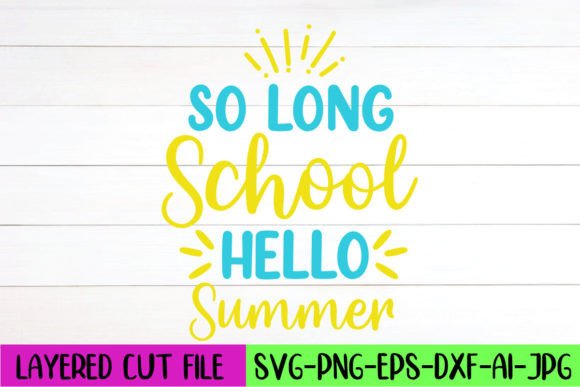
My first impression of this artwork is its clean layering and thematic clarity. As a graphics asset intended for crafts, it possesses the bold lines and defined color blocks necessary for successful digitizing. Unlike overly intricate illustrations that turn into muddy thread nests, this design offers distinct separation between elements. This is crucial when converting an SVG cut file into a machine embroidery design. The layout suggests a natural hierarchy, allowing the "So Long School" text to anchor the piece while the "Hello Summer" sentiment provides a lighter, more playful counterpoint. For a handmade product, this visual balance ensures the finished item looks intentional and professionally executed rather than cluttered.
Real-World Application: The Custom Tote Bag Test
To truly judge the viability of this design, I mentally placed it onto a canvas tote bag intended for a teacher appreciation gift or a student’s summer library haul. In this scenario, the So Long School Hello Summer SVG Design serves as more than just decoration; it acts as a personalized narrative. Canvas is a forgiving fabric texture, but it requires careful stabilizer selection to prevent puckering around dense satin stitch areas. Because this design likely features layered elements, I would treat it as a potential applique design foundation. Using cotton quilting fabric for the background layers can reduce overall stitch density compared to a full fill stitch version, resulting in a softer hand feel that customers appreciate in a functional tote bag design.
For apparel decorators focusing on sweatshirt embroidery or custom t-shirts, the mood of this graphic dictates the placement. It feels most appropriate centered on the chest or across the upper back. When working with knit fabrics, the challenge is maintaining registration between layers. If you are using this as a digital embroidery file source, ensure your digitizing software accounts for fabric stretch. A design that looks perfect on screen can distort on a ribbed knit if pull compensation isn't adjusted. However, because this SVG features bold shapes, it is generally more forgiving on stretchy materials than fine-line script fonts would be.
Navigating Fabric Limitations and Hoop Constraints
While versatile, this design demands respect for technical limitations. I advise caution when applying this to small hoop sizes. The phrase "So Long School Hello Summer" contains significant horizontal span. Attempting to shrink this design below four inches wide risks compromising lettering legibility. Tiny text often gets lost in the fabric grain or becomes unreadable after washing. If your project requires a smaller footprint, consider isolating just the "Hello Summer" element or utilizing only the graphical icons associated with the theme.
Fabric choice also plays a pivotal role in the final outcome. On dark fabrics, ensure the design includes adequate underlay or light-colored outlines to make the colors pop against the background. Conversely, on sheer or lightweight baby clothes, heavy fill stitches can cause the garment to sag. For baby embroidery projects, I recommend testing the design on a scrap of similar weight fabric first. Verify that the stitch density allows the material to drape naturally. Safety and comfort should always supersede visual complexity in infant wear. Additionally, avoid placing dense sections of this design directly over seams or thick collar bands, as uneven surfaces lead to skipped stitches and poor registration.
Commercial Viability for Makers and Sellers
For the creative entrepreneur, the value of the So Long School Hello Summer SVG Design extends beyond personal crafting. Its broad appeal makes it a strong candidate for commercial embroidery ventures. Seasonal transitions drive sales, and having a reliable, well-structured design ready for production is key. When listing finished products on Etsy or at craft fairs, presentation matters. Use the included PNG and JPG files to create accurate printable mockups before stitching a single sample. This saves time and inventory costs while allowing you to gauge buyer engagement.
However, professionalism requires due diligence. Before selling any finished product or digital derivative, you must confirm the licensing terms associated with these design assets. While the package includes six file types (SVG, PNG, EPS, AI, JPG, DXF) compatible with Adobe Illustrator, Cricut, and Silhouette Studio, compatibility does not automatically grant commercial resale rights for embroidered goods. Always verify whether the license permits mass production or limits usage to small-batch handmade items. Respecting intellectual property builds customer trust and protects your craft business reputation.
Technical Notes for Optimal Stitching Results
Achieving a boutique-quality finish requires more than just loading the file. Here are my practical designer notes for working with this specific aesthetic:
- Test on Scrap Fabric First: Never run a new design on a final product without a test stitch-out. Check for thread breaks, tension issues, and alignment problems.
- Evaluate Thread Color Contrast: Summer themes often utilize bright yellows and teals. Ensure these colors have sufficient contrast against your chosen base fabric. Low contrast reduces readability and perceived quality.
- Review Stitch Density: If digitizing from the vector source, adjust density based on fabric weight. Lightweight knits need lower density; denim and canvas can handle higher coverage.
- Stabilizer Selection: Match your stabilizer to the fabric, not just the design. Cut-away for knits, tear-away for wovens, and water-soluble toppings for textured fabrics like towels or fleece.
- Check Small Details: Inspect corners and inner loops of letters. These are high-stress points where thread buildup occurs. Trimming jumps manually during digitizing can improve the final look.
- Mockup Verification: Compare how the design looks in black and white versus color. This helps identify structural weaknesses that color might mask.
Enhancing Product Value Through Intentional Design
The difference between a generic craft fair item and a premium handmade product often lies in execution. The So Long School Hello Summer SVG Design has the potential to elevate your inventory because it speaks to a specific emotional moment. When customers see a design that articulates their feelings about the changing seasons, they connect with it personally. This connection translates to perceived value.
Consider offering variations. Use the EPS or AI files to customize the color palette for different school districts or summer camps. Personalization transforms a standard graphic into a cherished keepsake. Whether applied to an embroidered patch for a backpack, a kitchen towel for a teacher gift, or nursery decor celebrating a child's grade promotion, the context amplifies the design's impact. Just remember that each application requires unique technical adjustments. What works for a rigid patch won't necessarily work for a plush blanket.
Ultimately, this design asset is a tool. Its success depends entirely on your skill as a maker and your understanding of embroidery mechanics. By approaching the So Long School Hello Summer SVG Design with critical attention to fabric behavior, stitch integrity, and market relevance, you transform a simple digital file into a tangible, profitable, and beautiful reality. Take the time to understand the vector structure, respect the physical limitations of thread and textile, and your finished products will stand out in a crowded marketplace of seasonal crafts.