School Mode on SVG: A Designer’s Embroidery Review
As a professional embroidery designer and product reviewer, I approach every new digital asset with a critical eye. When evaluating School Mode on SVG, my primary concern is not just how the graphic looks on a screen, but how it translates into thread on fabric. In the world of Crafts and Graphics, there is often a disconnect between vector art and stitchable reality. After examining this specific design package, which includes SVG, PNG, EPS, and DXF files at 300 DPI resolution, I can confidently discuss its practical application for real-world projects. This review focuses on the tangible performance of this design for makers, Etsy sellers, and apparel decorators who need reliability alongside aesthetic appeal.
First Impressions: Visual Personality and Stitch Potential
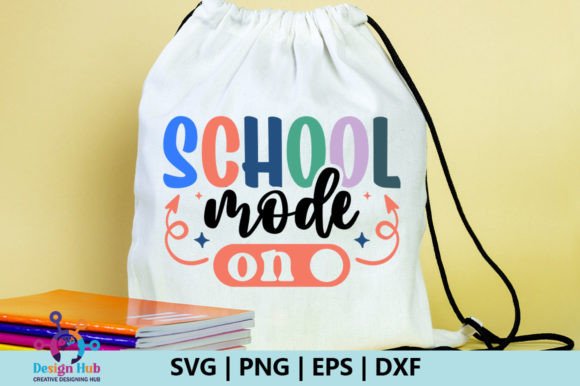
Upon opening the vector files, the first thing that stands out about School Mode on SVG is its clean geometry and thematic clarity. The design evokes a sense of organized nostalgia, making it immediately suitable for back-to-school seasons, teacher appreciation gifts, or academic branding. From a technical standpoint, the 100% vector nature of the file is a significant advantage. Unlike raster images that pixelate when resized, these vectors allow me to scale the artwork up for a large tote bag or down for a baby bib without losing edge definition. For an embroidery project, crisp edges are non-negotiable; they dictate where the satin stitch boundary lies and ensure the final product looks professional rather than homemade.
The mood of the design strikes a balance between playful and structured. It does not feel overly juvenile, which expands its marketability beyond just children's wear. I see strong potential for this design in adult custom apparel, such as collegiate-style sweatshirts or minimalist canvas bags. The layout suggests it will digitize well into distinct color blocks, reducing unnecessary jump stitches and keeping production time efficient for small business owners managing high-volume orders.
Real-World Application: The Custom Tote Bag Test
To truly evaluate School Mode on SVG, I mentally applied it to a specific scenario: creating a premium canvas tote bag for a university bookstore or a teacher’s lounge. Tote bags present unique challenges because canvas is a textured, somewhat unforgiving fabric. In this context, the design’s bold lines are its greatest asset. Thin, intricate details often get lost in the weave of heavy canvas, but the substantial shapes in this graphic provide enough surface area for solid fill stitch coverage.
When planning this embroidered patch or direct embroidery, I would utilize the SVG file to create separate color layers for digitizing. The visual hierarchy of the design allows for strategic thread color placement. For example, using a contrasting satin stitch border against a matte fill stitch background creates depth that elevates the perceived value of the handmade product. Customers looking for personalized gifts or boutique merchandise are drawn to this level of tactile contrast. Furthermore, because the file includes a high-resolution PNG, I can easily generate a printable mockup to show clients exactly how the finished product will look before a single needle penetrates the fabric. This capability is essential for Etsy sellers and creative entrepreneurs who need to secure pre-orders or approvals efficiently.
Navigating Fabric Limitations and Hoop Constraints
While School Mode on SVG is versatile, experienced designers know that no design is universal. There are specific scenarios where caution is required. If you intend to use this on stretchy fabrics like jersey knits or performance wear, the stability of the design becomes paramount. The solid areas implied by the vector shapes will require adequate stabilizer to prevent puckering. Without proper backing, the stitch density could distort the fabric, ruining both the garment and the design integrity.
Additionally, consider the hoop size relative to the design’s complexity. While the vector is resizable, shrinking it too small for a cap or sleeve cuff may cause text elements or fine internal details to merge during stitching. Satin stitches have a maximum width limit; if the design is scaled disproportionately, you may need to adjust column widths in your digitizing software to avoid thread breaks or looping. Conversely, when enlarging the design for jackets or blankets, verify that the stitch count remains reasonable. Excessive density on large formats can make the item stiff and uncomfortable. Always test the design on scrap fabric that matches your final project’s weight and texture. This step is non-negotiable for maintaining brand consistency and customer trust.
Commercial Viability and Professional Presentation
For those running a craft business or selling digital embroidery files, the inclusion of multiple formats (SVG, EPS, DXF) adds significant commercial value. The DXF format ensures compatibility with various cutting machines for appliqué work, while the EPS serves print shops needing matching screen-printed items. This interoperability makes School Mode on SVG a robust asset for mixed-media businesses. However, professionalism extends beyond file types. It encompasses how the design interacts with different thread colors and fabric backgrounds.
I strongly recommend testing this design in both black-and-white and full-color mockups. Some designs rely heavily on color contrast to define their shapes; if stitched in monochrome on a dark fabric, the visual impact might diminish. Ensuring the design holds up in various presentations protects your reputation as a quality provider. Whether you are producing holiday embroidery for seasonal sales or year-round school spirit wear, the adaptability of this vector set supports diverse revenue streams. Just remember to verify licensing terms regarding commercial use of the digital file versus the sale of finished physical products, as these distinctions matter deeply in the digital product marketplace.
Essential Technical Notes for Makers
Before loading School Mode on SVG into your workflow, adhere to these practical guidelines to ensure success:
- Verify Compatibility: Although the zip contains standard vector formats, always confirm that your specific embroidery software or cutting machine reads the provided SVG or DXF correctly before purchasing or starting production.
- Check Stitch Density: As this is a vector graphic and not a pre-digitized embroidery file, you must assign appropriate stitch types. Avoid excessive density in fill areas to maintain fabric drape and reduce needle wear.
- Stabilizer Selection: Match your stabilizer to the fabric, not just the design. Use cut-away for stretchy apparel and tear-away for stable woven fabrics like denim or canvas to ensure the School Mode graphics remain crisp after washing.
- Color Contrast Testing: Run a simulation or test stitch to ensure internal details do not disappear when using similar thread and fabric tones. High contrast usually yields better recognition in embroidered patches and apparel.
- Mockup Accuracy: Utilize the included 300 DPI PNG for marketing, but ensure your digital previews accurately represent stitch texture. Misleading customers with flat graphics when selling textured embroidery leads to returns and negative reviews.
- Licensing Compliance: Clearly understand whether you are licensed to sell the digital file itself or only the finished handmade product. Respecting intellectual property is foundational to a sustainable Etsy shop or design business.
Ultimately, School Mode on SVG offers a strong foundation for creative projects when approached with technical mindfulness. Its clean vector structure provides the flexibility needed for modern customization, while its thematic resonance appeals to a broad audience. By respecting the relationship between digital art and physical thread, makers can transform this graphic into profitable, high-quality goods that stand the test of time and wear.