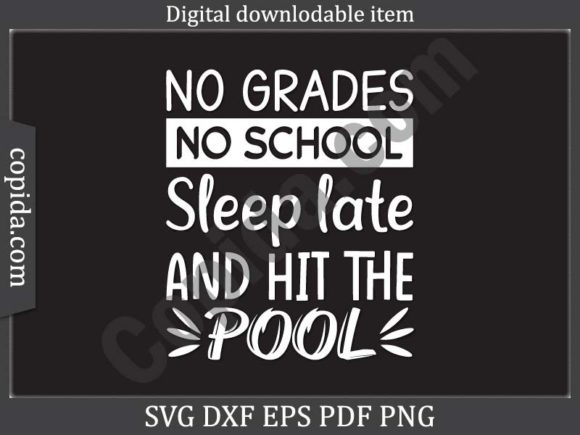
No Grades No School Sleep Late SVG Review
As a designer who spends more time behind an embroidery machine than a computer screen, I approach every new digital asset with a healthy dose of skepticism. When I first opened the No Grades No School Sleep Late Svg File, I wasn't just looking at a graphic; I was mentally mapping out stitch paths, stabilizer requirements, and fabric compatibility. This design captures a specific, nostalgic mood that resonates deeply with parents, teachers, and students celebrating summer freedom. However, translating that relaxed, retro vibe into a tangible handmade product requires more than just hitting the start button. It demands an understanding of how vector lines convert to thread on textured fabrics.
Capturing the Summer Vibe in Thread
The visual personality of this design is undeniably cheerful. It evokes the feeling of lazy mornings and carefree summers, making it an instant hit for seasonal merchandise. From a design perspective, the layout feels balanced, but as an embroiderer, my first thought was about the typography. Script or playful block letters in a machine embroidery design can be tricky. If the lettering is too thin, it risks getting lost in the fabric weave; if it is too thick, it becomes stiff and bulletproof. This particular file strikes a promising middle ground, suggesting it will digitize well into either a smooth satin stitch for smaller applications or a textured fill stitch for larger garments.
I immediately envisioned this as a centerpiece for a custom sweatshirt or a lightweight tote bag. The phrase itself carries a sense of humor and relief that customers love. For an Etsy seller or small shop owner, this isn't just a cute saying; it is a relatable emotion that drives sales. The challenge lies in preserving that lightheartedness through the mechanical process of embroidery. You want the finished piece to feel soft and worn-in, not rigid and industrial. Evaluating the line weight in the provided SVG and EPS formats gave me confidence that the design has enough substance to hold its shape without requiring excessive density that could pucker delicate knits.
Real-World Application: The Teacher Appreciation Tote
To truly evaluate this asset, I mentally walked through a recent client project: a batch of canvas tote bags intended as end-of-year gifts for teachers. This is where the No Grades No School Sleep Late Svg File shines brightest. Canvas is a forgiving fabric, but it has texture. A design with intricate details often gets swallowed by the weave, but this graphic’s bold simplicity allows it to sit proudly on the surface.
In this scenario, I would utilize the DXF or EPS file to ensure clean scaling for a 5x7 hoop size. The goal was to create a tote bag design that looked professional yet personal. Because the sentiment is text-heavy, legibility is paramount. I considered using a variegated thread to add depth without increasing stitch count, keeping the bag lightweight. For a personalized gift like this, the recipient needs to read the message instantly. The design’s hierarchy guides the eye naturally from "No Grades" to "Sleep Late," mimicking the actual priority list of a tired educator. This thoughtful flow is what separates a generic graphic from a successful embroidery project.
Navigating Fabric Challenges and Hoop Limitations
While this design is versatile, it is not immune to the laws of physics. As a reviewer, I must highlight where caution is necessary. If you are planning to use this for baby embroidery on onesies or stretchy jersey knits, you must adjust your expectations and your stabilizer strategy. Stretchy fabrics are the enemy of structured text. Without adequate cut-away stabilizer and perhaps a light fusible backing, the letters could distort during washing, turning "Sleep Late" into an illegible scribble.
Furthermore, consider the hoop size limitations. While the vector formats allow infinite resizing, embroidery machines have physical constraints. Shrinking this design down for a pocket logo or a baby bib requires checking the minimum letter height. If the satin columns become narrower than 1mm, your machine may struggle, leading to thread breaks or poor coverage. Conversely, enlarging it for a pillow cover might expose gaps in the fill if the original digitizing wasn't optimized for large scales. Always test on scrap fabric that matches your final project's weight and texture before committing to the finished product.
Dark fabrics present another variable. If you are stitching this onto a navy sweatshirt, remember that thread colors behave differently against dark backgrounds. A white or cream thread provides necessary contrast, but you may need to increase stitch density slightly to prevent the dark fabric from showing through the stitches. This adjustment impacts the drape of the garment, so finding that sweet spot between opacity and flexibility is key for high-quality custom apparel.
Commercial Viability for Makers and Sellers
For those running a craft business, this file represents significant potential value. The inclusion of PNG and PDF formats alongside the vector files makes it incredibly useful for creating printable mockups. Before you even thread a needle, you can create professional listing photos for your online store. This helps validate market interest and builds customer trust through clear visualization. As a digital embroidery file, having multiple formats ensures compatibility across various software platforms, whether you are editing in Illustrator or importing directly into digitizing software.
However, professionalism extends beyond file formats. It includes respecting licensing terms. Before selling items featuring this design, verify whether your purchase includes commercial rights for physical products versus digital redistribution. Customers appreciate transparency, and protecting intellectual property maintains the integrity of the maker community. When used correctly within license bounds, this design can anchor a summer collection, drive engagement on social media, and serve as a staple design asset for seasonal promotions.
Essential Designer Notes for Success
Based on my evaluation, here are practical steps to ensure your projects succeed:
- Extract Correctly: Remember that after downloading, you will get the files in a .zip folder. You must extract and uncompressed the folder before accessing the SVG, DXF, EPS, PDF, or PNG files. Corrupt files often result from skipping this step.
- Test Stitch Density: Run a test stitch-out on scrap material. Check if the running stitch outlines align perfectly with the fill areas. Registration issues are easier to fix on scrap than on a $30 hoodie.
- Stabilizer Selection: Match your stabilizer to the fabric. Use tear-away for stable wovens like canvas tea towels, and cut-away for stretchy knits used in sweatshirt embroidery.
- Thread Contrast: View your thread choices in natural light. What looks good on a screen may lack definition in real life. High contrast ensures the humor lands effectively.
- Mockup Verification: Use the included PNG to create accurate previews. If selling commercial embroidery services, show clients exactly what they are buying to reduce revision requests.
- Check Licensing: Confirm usage rights for both physical goods and digital assets. This protects your business and respects the original creator.
Ultimately, the No Grades No School Sleep Late Svg File is a strong contender for any maker’s summer lineup. It balances aesthetic appeal with functional adaptability, provided you respect the technical nuances of embroidery. Whether you are crafting a heartfelt holiday gift for a teacher or stocking your boutique with trendy totes, this design offers the creative foundation needed to produce work that feels both professional and profoundly human. Approach it with technical mindfulness, and it will reward you with beautiful, sellable results.